Freedmen’s Bureau Records: Finding Families, Work and Community
Search by name and by field office to find Reconstruction-era family evidence. Follow labor, marriage, relief and correspondence records while keeping Bureau records distinct from Freedman’s Bank records.
Freedmen’s Bureau records can place a person in a particular community during the years immediately after slavery. A contract, complaint or marriage record may connect names that are difficult to follow elsewhere. The challenge is that these papers were created to handle local business and urgent needs, not to assemble family trees. Successful research combines name searches with a careful understanding of offices, dates and record types.
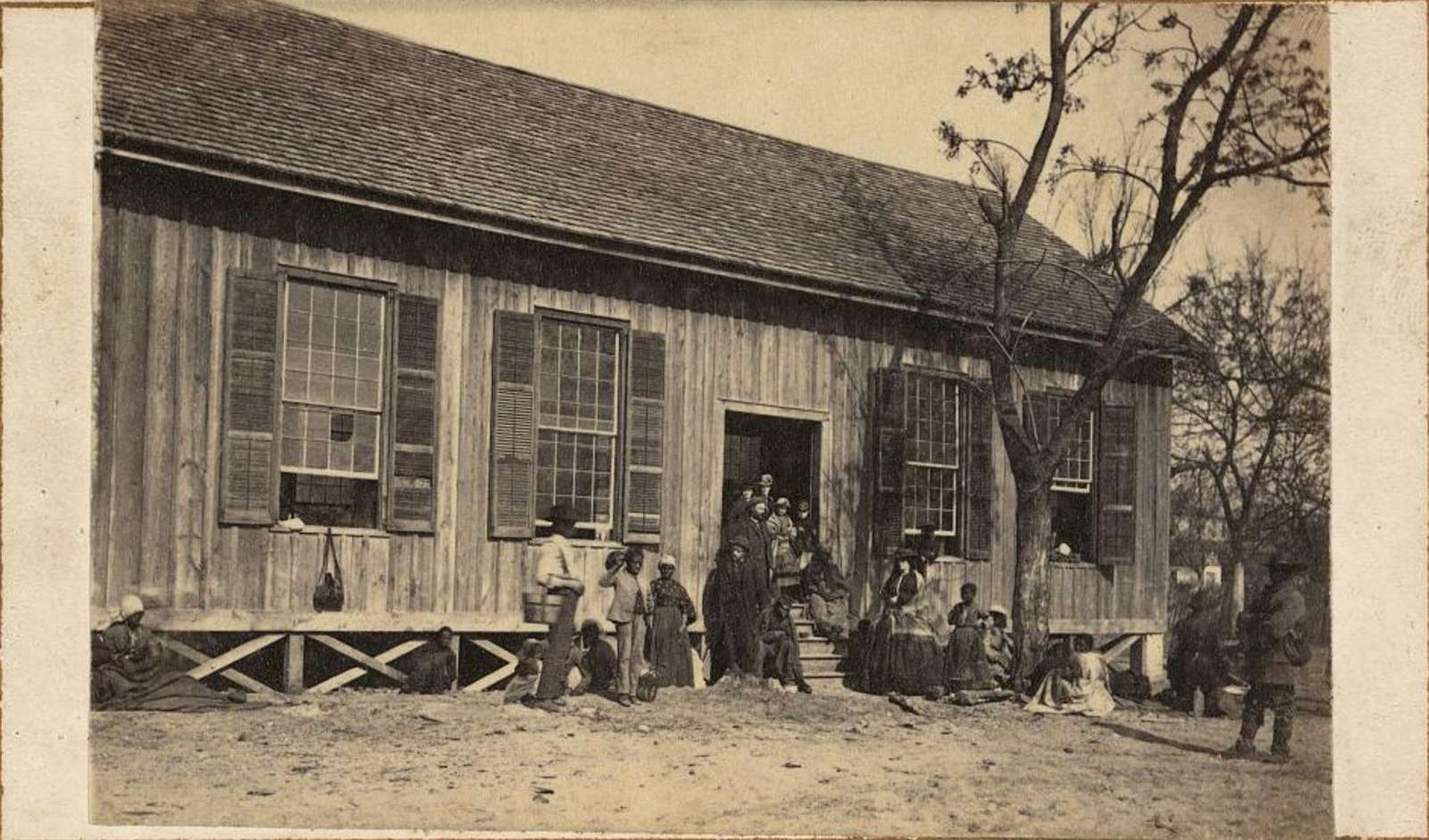
Understand the agency and its records
The Bureau of Refugees, Freedmen, and Abandoned Lands was established in the War Department on March 3, 1865. Usually called the Freedmen’s Bureau, it continued until 1872, although most of its work occurred from June 1865 through December 1868. Its records are held by the National Archives in Record Group 105.
Field offices handled such matters as relief, labor contracts, marriage recognition, education and complaints. Surviving records reflect those activities unevenly. There is no reason to expect one personal file containing everything about an ancestor. A person may appear in a letter, a register, a contract or several separate series.
These records can describe violence, coercion and family separation. Preserve the historical wording when it matters to an accurate transcription, but identify it as the record’s language. In your own narrative, describe people respectfully and distinguish their testimony from an official’s characterization.
Build a place-and-name starting sheet
Before searching, assemble the family’s documented names, approximate ages, residences and associates around the end of the Civil War and in the 1870 census. Include spelling variations and identify which details are certain. Do not assume that a surname by itself identifies a former enslaver.
Write one question at the top of the sheet: for example, “Can I connect this couple in 1870 with a marriage record or labor contract from the same area?” A focused question helps you recognize useful evidence without forcing every similar name into the family.
Use our guide to researching enslaved ancestors for the broader strategy. This article concentrates on finding and connecting Bureau documents within that larger investigation.
Use two routes into the collection
Begin at NARA’s Freedmen’s Bureau guide. Its state sections link to descriptions and digitized records organized by microfilm publication. FamilySearch provides access to many images; sign-in and image restrictions can vary. Read the collection description before interpreting a failed name search.
The Smithsonian Transcription Center offers another route: search transcribed text, then examine the corresponding document image. A text search can reveal an employer, town or associate mentioned in the body of a letter. Transcription is a discovery aid, so check names and dates against the image before using them.
Record which search you used. A name index, a transcription search and browsing an image sequence cover different things. If a search produces nothing, change the question or route before concluding that the records contain no relevant evidence.
Identify the office, then browse its series
Read the introductory material for the state and field office. Look for the places served, operating dates, administrative changes and descriptions of surviving series. Do not select an office solely because its town is the nearest modern place on a map. Let the finding aid establish the office’s coverage.
Make a simple browsing plan: office, series, date span, volume or roll, and the reason it may answer your question. Start with a manageable period. Inspect internal indexes and headings, then follow the relevant entries into the body of the volume.
The Smithsonian explains that Bureau recordkeeping followed military practices. Letters, registers and endorsements may point to related correspondence. Copy letter numbers, dates and references exactly. A brief entry recording receipt of a complaint may lead to a fuller letter or a later reply.
Match the record type to the question
- Marriage records: look for the named couple, places and any children or earlier relationship information actually recorded. Distinguish the date of documentation from the beginning of a relationship.
- Labor contracts: identify the workers, employer, place and contract period. Read obligations and signatures; do not assume an employer was a worker’s former enslaver.
- Complaints and correspondence: extract the parties, event, witnesses and subsequent action. A reported allegation and a final decision are different kinds of evidence.
- Relief, hospital and school records: examine headings carefully and determine who the list was intended to count. A name’s presence may establish contact with an office without describing an entire household.
Some records are summaries, while others preserve statements from individuals. Ask whose voice you are reading and why the document was created. An agent’s condensed report may omit detail found in the underlying correspondence.
Connect documents without forcing an identity
Fictional example: a labor contract names Samuel Reed in 1866. A complaint the following year mentions Sam Read and the same employer. Your 1870 census candidate lives nearby with a wife named Lucy. The shared employer is a useful connection, but the three entries do not yet prove one identity.
Compare every available clue: dates, residence, age, family names, occupation and associates. Search for another Samuel in the area and look for records that contradict the proposed connection. If a marriage entry names Samuel and Lucy, check its full context rather than treating the matching couple’s names as sufficient.
Keep a comparison table with one row per document and separate columns for what it states and what you infer. Use the Genealogical Proof Standard to guide a conclusion that explains both agreements and conflicts. It is acceptable to finish with a well-supported lead rather than an identified ancestor.
Search Freedman’s Bank separately
The Freedman’s Savings and Trust Company, commonly called Freedman’s Bank, was a separate institution. Its depositor records can supply birthplaces, residences and relatives’ names, but they are not Bureau case files. Treasury’s family-history overview explains their value. Search the Bank as a complementary source and cite its records under their own collection identity.
Compare a possible depositor with Bureau and census evidence before joining the records. Differences in name spelling are worth investigating; an incompatible family or residence should not be dismissed merely because the name is attractive.
Preserve the route back to the record
Save the state, office, series title, dates, volume or roll, page or entry number, image number and stable record link when available. Keep the original image with your transcription and record any missing or illegible portions. A search-result screenshot alone usually omits the context needed to evaluate the evidence.
Try this: choose one documented family and locality. Identify one relevant field office and two surviving series, then record a name search and a short browsing session with their exact coverage and next steps.